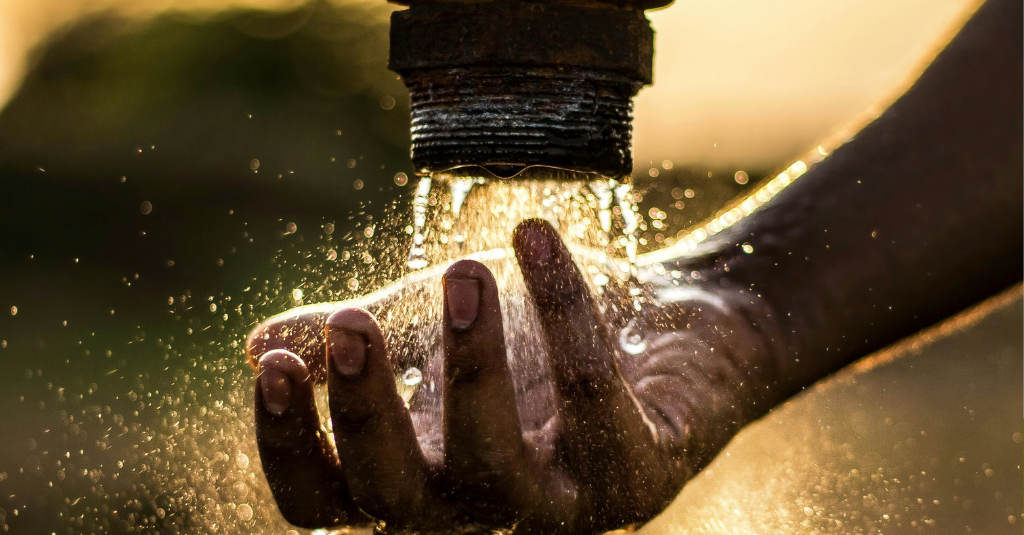

The global water crisis affects everyone, but the burden does not fall equally. World Water Day 2026 highlights this disparity with the slogan “Where water flows, equality grows.” The campaign draws attention to the disproportionate toll that water scarcity takes on women and girls, who are responsible for water collection in two-thirds of households without on-premises water. They lose time, health, safety and opportunity as a result.
The inequality extends beyond gender. More than 2 billion people still lack safely managed drinking water services, with the effects concentrated in communities already facing poverty, geographic isolation and limited infrastructure. When water is scarce, every other form of inequality deepens. And when water access improves, communities grow stronger.
That connection between water and equality is the reason Veolia has committed to supporting Sustainable Development Goal 6: water and sanitation for all by 2030. Across the globe, Veolia’s water treatment and reuse technologies are helping expand access to clean water, reduce dependency on strained freshwater sources and build resilience in regions where scarcity hits hardest.
Technology as an equalizer
In Sri Lanka’s Greater Matale region, a predominantly agricultural area about 150 kilometers from Colombo, Veolia built five water treatment plants and a 430-kilometer distribution network. The system supplies 75,000 cubic meters of drinking water per day to more than 350,000 people, supporting regional development by making clean water reliably available for the first time.
In Egypt, water scarcity driven by population growth and agricultural demand had placed enormous pressure on the Nile, the country’s primary water source. The Bahr El-Baqar wastewater treatment plant, which opened in 2021, now treats 5 million cubic meters of wastewater per day using 120 Veolia Hydrotech disc filters — the largest such installation in the world, recognized by Guinness World Records. The treated water is recycled for agricultural irrigation in the Sinai governorate, reducing the country’s dependency on the Nile while keeping farmland productive.
In drought-prone São Paulo, Brazil, Veolia partnered with Rhodia to transform an existing wastewater treatment plant at its Santo André textile facility into a water-reuse production facility. Using ZeeWeed MBR technology, the facility now achieves 94% water reuse, saving the equivalent of 133 Olympic swimming pools of freshwater annually and reducing groundwater extraction in a region that faces recurring drought.
Each of these projects addresses a different challenge, but they share a common outcome: expanding access to clean water in communities and regions where scarcity compounds inequality.
Preserving water for the future
Individual projects tell part of the story. The larger picture is one of scale. In 2025, Veolia’s technologies recycled more than 509 million cubic meters of wastewater globally — equivalent to more than 203,600 Olympic swimming pools, or 2.7 times the annual drinking water consumption of Paris. The company has committed to preserving more than 1.5 billion cubic meters of freshwater through reuse and desalination by 2027 as part of its GreenUp strategy to decarbonize, depollute and regenerate natural resources.
No single technology will solve the global water crisis. Reuse, desalination and reducing overall consumption all play a role. But the link between water access and equality is clear: When clean water reaches the communities that need it most, the disproportionate burden on women and girls eases, public health improves and economic opportunity grows. On World Water Day 2026, that connection is worth acting on.
Tags
Author | Teresa Ortigosa
Chief Sustainability Officer of global water technology activities, Veolia Water Tech